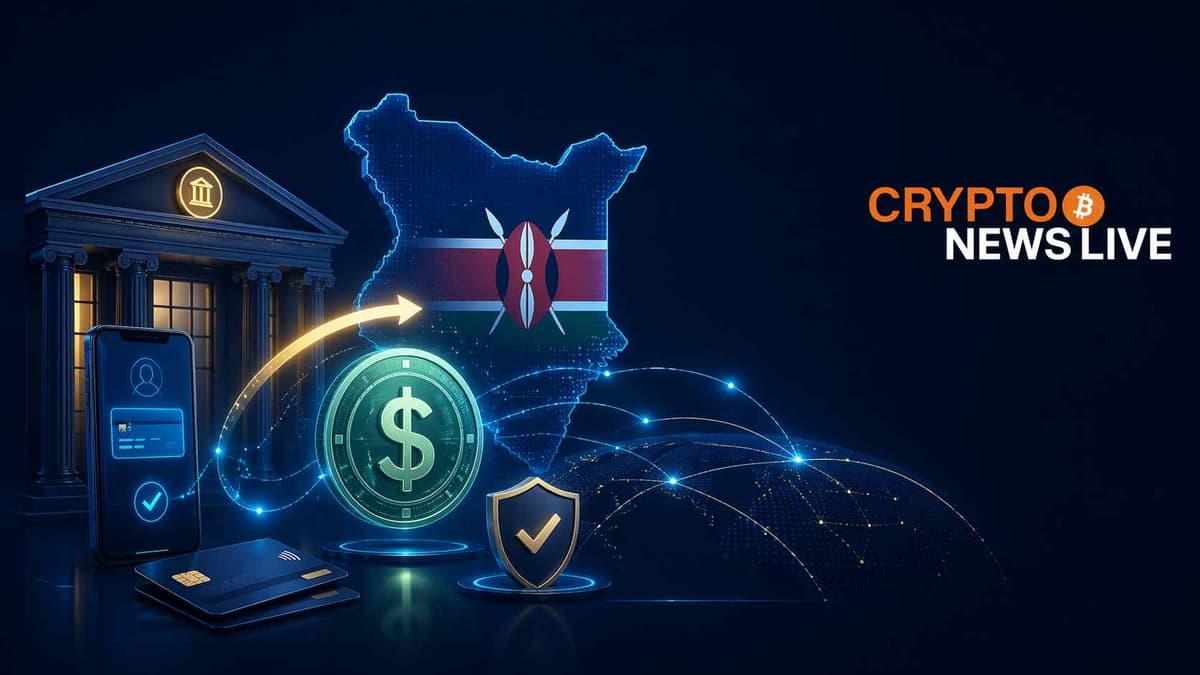
Kenyans already processed $3.3 billion in stablecoin transactions in the year to June 2024. That number did not come from a regulated banking product. It came despite the absence of one. Now, that gap is being addressed directly inside a licensed commercial bank.
Anzens, the issuer of the dollar-backed stablecoin $USDA, has partnered with Credit Bank PLC and Yeshara Tokens Ltd to bring stablecoin settlement into Credit Bank’s existing cross-border payment infrastructure. The initiative is currently in an exploratory phase. It remains subject to engagement with the Central Bank of Kenya before any pilot launches.
Kenya’s Cross-Border Problem in Numbers
The cost structure of traditional correspondent banking in Kenya is the backdrop here. Remittances into the country hit $5 billion in 2024, according to the Central Bank of Kenya. Yet businesses sending or receiving payments across borders routinely absorb fees running four to five times what the Anzens model proposes. Average remittance charges across Sub-Saharan Africa can reach close to 8%, with settlement stretching across four to five working days through SWIFT-based systems that route through multiple intermediary banks.
The proposed Credit Bank model sets a flat 1.5% fee regardless of corridor. Payments would be initiated from existing Credit Bank accounts. Currency conversion happens automatically at the destination. No new wallet. No separate crypto account. Credit Bank holds both Kenyan shillings and US dollars as custodian under the arrangement.
Shantnoo Saxsena, CEO of Anzens, stated the problem plainly. As reported by IBS Intelligence:
“Kenya is home to one of the most innovative financial ecosystems in the world, yet businesses here still pay some of the highest cross-border payment fees globally while waiting days for settlement.”
That framing lands differently when stablecoin adoption data sits beside it. Stablecoins now account for 43% of all crypto transactions across Africa, driven by currency volatility, inflation, and the very fees Saxsena referenced.
What Yeshara Tokens Adds to the Structure
Betty Korir, CEO of Credit Bank PLC, addressed the commercial rationale in a statement on the partnership announcement:
“Stablecoins are not speculative assets in this context, they are settlement infrastructure that can move value across borders in minutes instead of days, at a fraction of the cost.”
The third partner, Yeshara Tokens Ltd, is working to extend USDA payments into tokenised assets. That piece of the arrangement sits at a different stage from the cross-border settlement pilot. It widens the potential use surface beyond remittances into asset-backed transactions, though no timeline for that component has been confirmed.
The USDA mint and distribution pilot will follow regulatory approvals. As AnzensOfficial posted on X:
“Regulated stablecoin infrastructure, compliant fiat access, and secure wallet rails built into the institutions businesses already use.”
CBK Approval Is the Remaining Gate
This is not live yet. The structure depends on the Central Bank of Kenya signing off on the integration. That regulatory step is the variable that separates a pilot from a product. CNBC Africa noted that the rollout in Kenya is targeting corporate clients in the first phase, not retail customers.
What makes this arrangement structurally different from other stablecoin projects across the continent is the bank-as-custodian model. USDA would be distributed, minted, and redeemed through a licensed commercial bank. The blockchain layer stays invisible to the end user. That design choice is deliberate. It keeps the product inside familiar banking rails, which is also what CBK approval demands.
The LinkedIn announcement from Anzens described the fee as “practically unbeatable” against the correspondent banking baseline. At 1.5% flat, that claim holds up against the 6-8% regional average on cross-border transfers.
Kenyans processed $3.3 billion in stablecoin volume without a regulated product behind it. If CBK approves, Credit Bank becomes the first licensed commercial bank in an emerging market to distribute, mint, and redeem a dollar-backed stablecoin through its own accounts. That is the shift businesses trading into Asia, the Middle East, and across Africa have been waiting on.